„Dimitrie Cupovski“ 13, 1000 Skopje +38923244000 ic@mchamber.mk
„Dimitrie Cupovski“ 13, 1000 Skopje +38923244000 ic@mchamber.mk
The Council for Promotion of Higher Education and Strategic Research within the Economic Chamber prepared an “Analysis of Employers’ Needs for Higher Education Qualifications” in order to obtain findings that served as a basis for creating enrollment quotas for the 2025/2026 academic year, as well as for designing relevant study programs and introducing practical training with employers as an integral part of the educational process.
Starting from the findings of the Analysis, which showed that only 53% of companies cooperate with higher education institutions in the implementation of practical training, the Economic Chamber decided to conduct additional research on cooperation between the private sector and higher education, aimed at identifying obstacles, opportunities and modalities for its improvement.
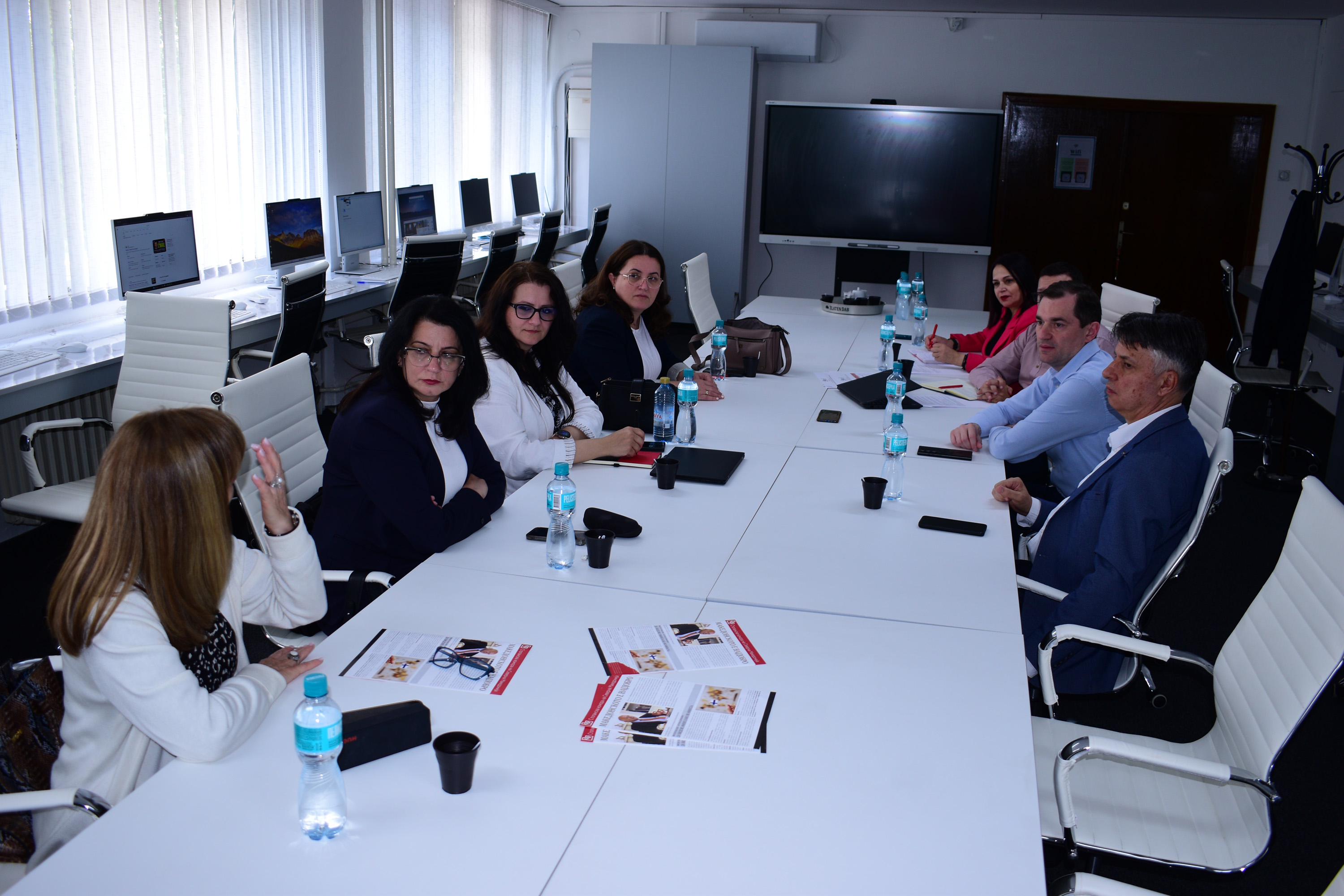
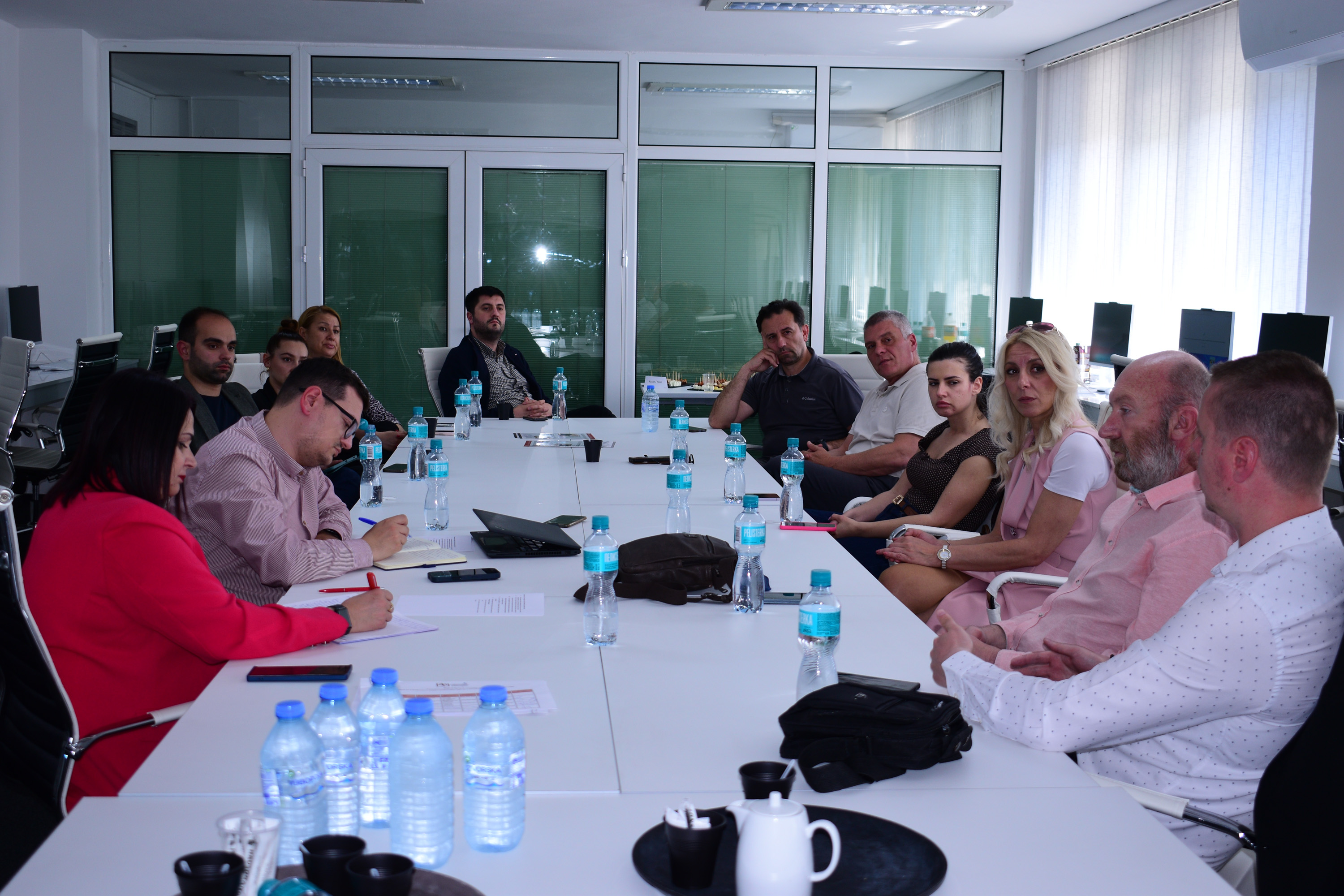
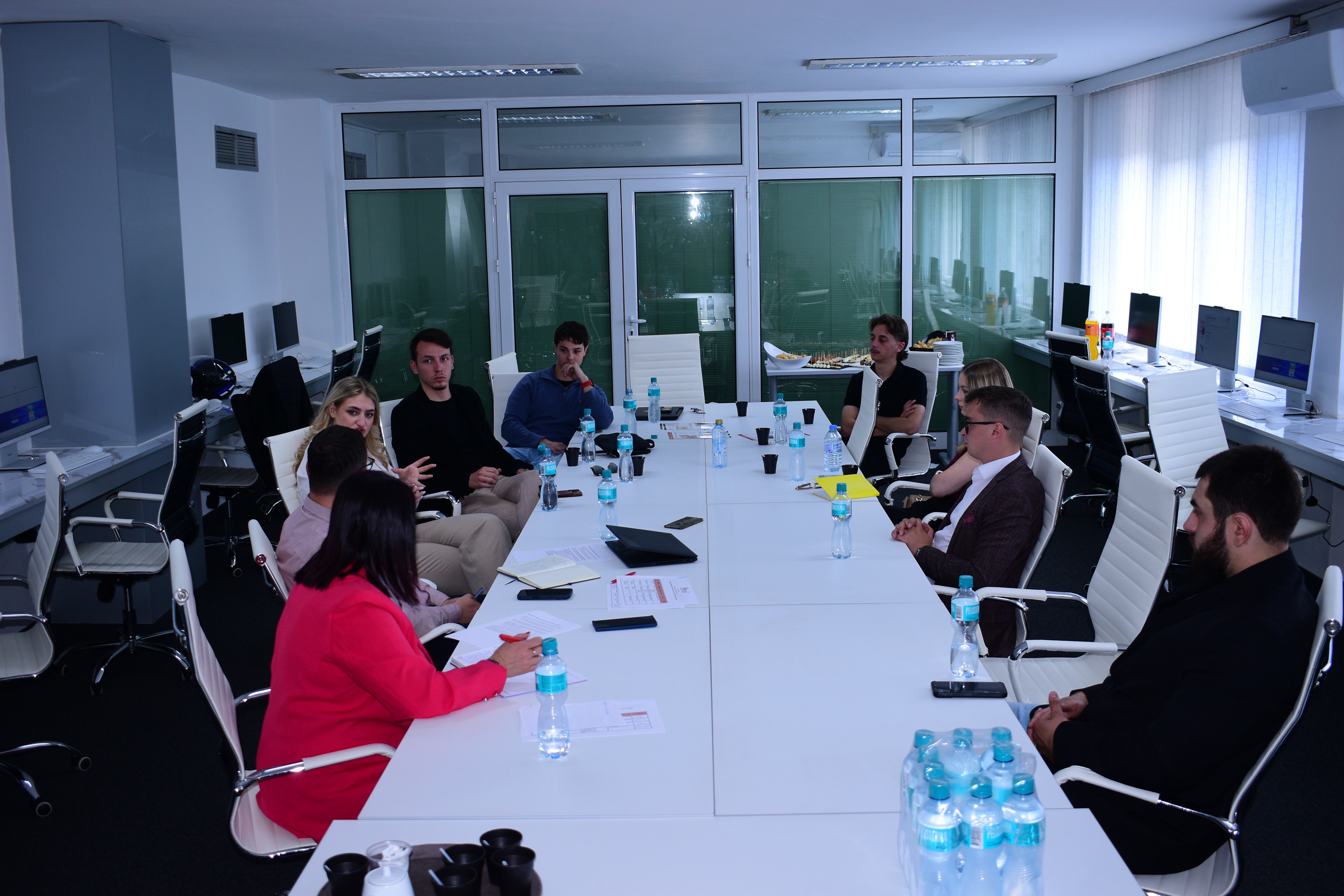
For that purpose, during the period 18–20 May 2026, the Chamber conducted focus group interviews composed of vice rectors for education from all state-founded universities, representatives of student assemblies from those universities and student organizations, as well as representatives from the private sector who, on their own initiative, cooperate with certain university faculties.
Within the focus groups, it was concluded that formal cooperation exists and that such cooperation must be two-way. Universities should cooperate with companies and incorporate the requirements of the business sector into their study programs, while the business sector should be proactive in forecasting and defining the skills that will be needed in the future, mentoring students and employing them, as well as supporting innovation research to be conducted jointly with universities.
From the universities’ perspective, it was emphasized that cooperation is necessary and that professors should stay informed about companies’ requirements. It was also noted that practical training should be formalized and regulated within study programs, and that the voice of the business community should be heard during the approval process of study programs. It was concluded that improving this cooperation requires the appointment of a vice dean responsible for cooperation with the business community.
From the employers’ perspective, it was noted that changes are needed in higher education, particularly toward increasing the share of practical training at real workplaces and developing graduation theses based on real problems and innovative processes arising from the domestic economy. According to them, in order to ensure the effectiveness of practical training, a dedicated practical-training week should be introduced, following the model of examination weeks, along with greater engagement by professors in encouraging students to participate. The private sector expressed readiness to participate in a dual model of higher education, but stressed that it should be properly structured in order to be sustainable.
From the students’ perspective, practical training in real workplaces is highly important for acquiring both professional and fundamental transversal skills, and they proposed an entire semester dedicated to internships. According to them, career centers should serve as contact points connecting students with the business community. Career centers should also prepare students for an easier transition into the labor market. They emphasized that the national education strategy should follow labor market needs and encourage the modernization of study programs. It was jointly concluded that a diploma is only a document, while the skills acquired through practical training are essential both for students and for the business community itself.
It is important to emphasize that the discussions of all three focus groups confirmed the positions of the Economic Chamber regarding the need to strengthen cooperation between the academic and business communities, with the aim of ensuring quality in higher education, developing practical skills among students, and increasing the participation of the real sector in aligning education with labor market needs.






 Progressive Academy